




Is Eyelid Surgery Safe? What to Expect and How Long Results Last
By Zain Ashraf
/ 6.1.2025
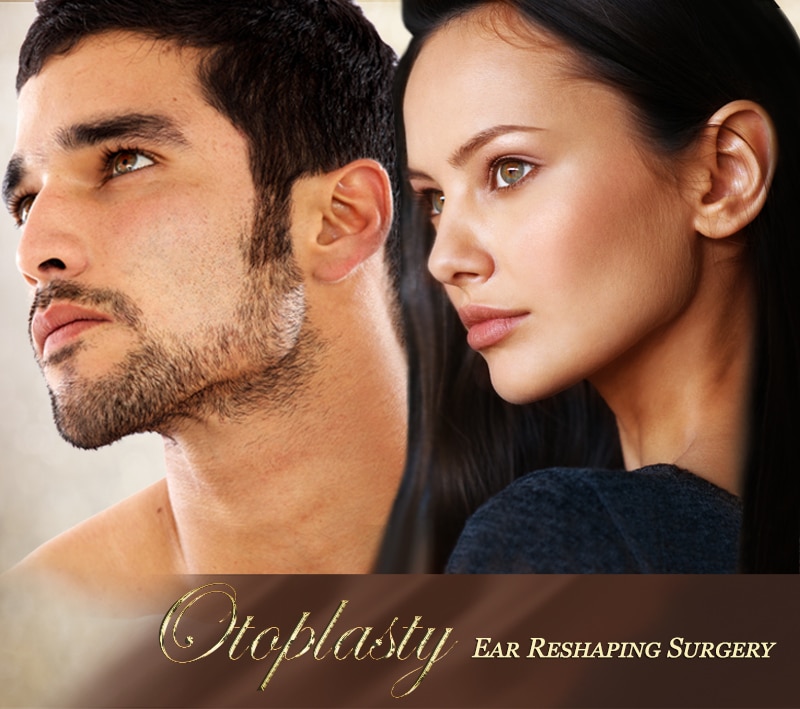
We all have a feature that makes us feel a bit self-conscious. But when that feature is as prominent as our ears, it can really take a toll on our self-esteem. Protruding Ears are normally a hereditary condition.
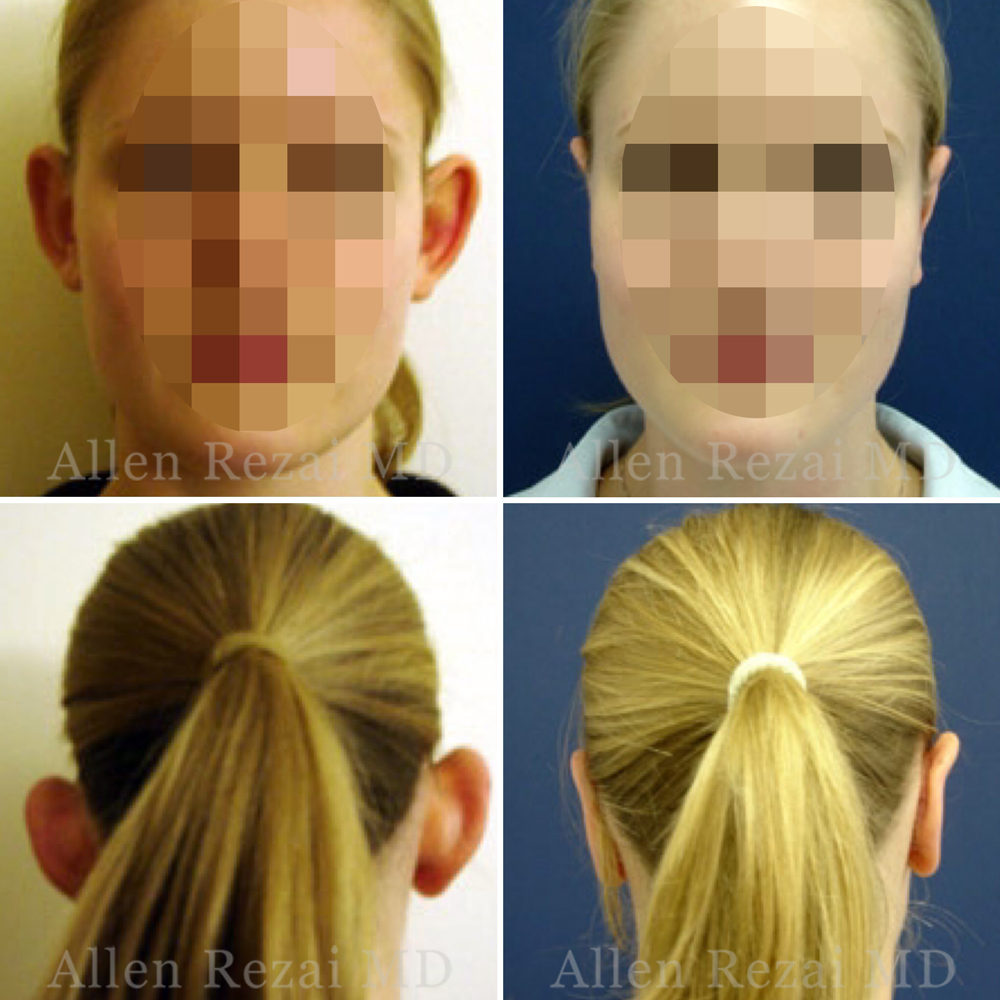
Few surgical procedures are as satisfying to patients as Ear Correction or Reshaping surgery, also known as Otoplasty. It involves correction of protruding ears that stick out too far from the head. Having protruding ears will rarely affect a person’s hearing but will frequently cause embarrassment and psychological distress. Ears are one of the first parts of the body to develop to full adult size, so if they protrude, they can be particularly noticeable in children, and this regularly leads to teasing or bullying.
If the problem is identified closely after birth, then the condition can be treated conservatively, simply by applying an appropriate splint. However, only a few months later, the cartilage of the ear will have become considerably stiffer, and the splint may need to be in place for many months, even then not always guaranteeing success. Typically, after the age of six months, the only viable option is surgical correction.
Adults with protruding ears can experience low self-esteem or practical issues such as wearing certain types of head attire or hairstyles. In addition to improving one’s self-esteem and making the individual feeling better about his/her appearance, Otoplasty also provides dramatic results with No visible scarring, short recovery period and it is also one of the safest facial surgical procedures.
Typically, the normal outer ear projects from the side of the head at an angle of about 20 to 35 degrees. However, in some individuals, this angle is more than 35 degrees, resulting in the appearance of overt protrusion.
This occurs when:
Whilst prominent ears usually occur on both sides, occasionally the problem may affect only one ear. However, both ears may have to be operated for the best possible balance.
[/dt_sc_toggle][dt_sc_toggle title=”Otoplasty Surgery – The Procedure”]
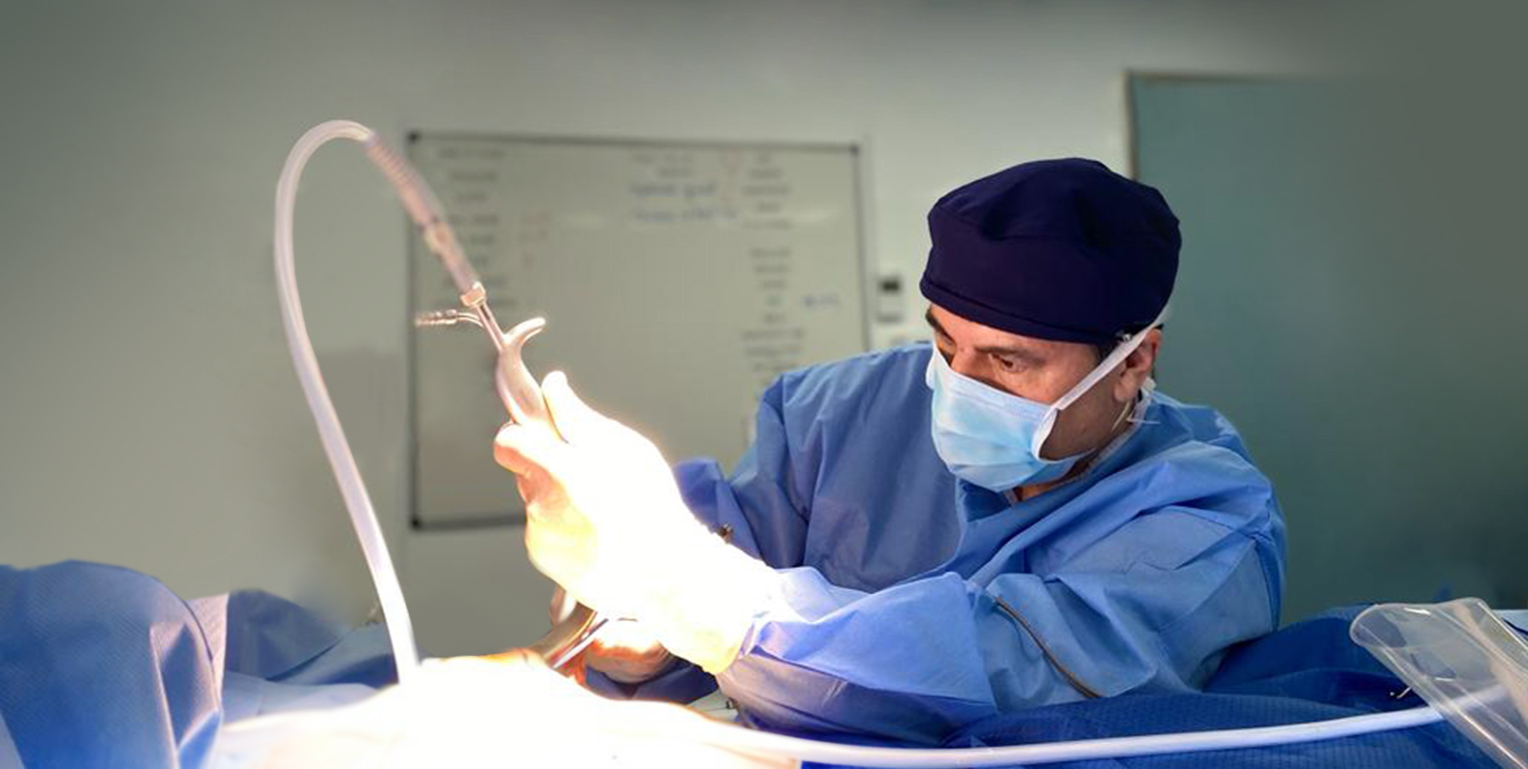
The technique used will depend on the problem. With one of the more common techniques, a small incision is made behind the ear, in the groove between the ear and the side of the head to expose the ear cartilage. The cartilage will then be scored, and bent back toward the head. Non-removable sutures may be used to help maintain the new shape. Small pieces of cartilage will be removed if necessary prior to reshaping and closure.
Another technique involves a similar incision in the back of the ear. Skin is removed and stitches are used to fold the cartilage back on itself to reshape the ear without removing cartilage.
If the ear lobe is also large, then it is possible to reduce its size during the same operation. A thorough consultation is necessary to determine your suitability and discuss treatment options, as every case is different.
[/dt_sc_toggle][dt_sc_toggle title=”Following the operation”]
Most patients will experience tender ears for several weeks following their surgery. The primary goal during the recovery period is to support the ears so the cartilage can strengthen. Normally a pressure-type dressing is placed over the ears for 24 to 48 hours which is then replaced with a smaller dressing or a headband.
At about one week post-op the sutures are removed (if non-dis-solvable), and we recommend that the patient wears a protective headband or bandage when sleeping for the next 2-3 weeks, so as to avoid the ears being bent forward against the pillow. Most patients experience tender ears for several weeks following surgery.
The natural folds and swelling should resolve over one to two weeks. While patients can normally return to work within a week, they should avoid activities that could cause trauma or injury to the ears during the recovery period. Physical contact sports, such as judo, rugby, or football should be avoided for at least 3 months. Swimming should be avoided for up to 8 weeks after surgery.
[/dt_sc_toggle][dt_sc_toggle title=”Risks & complications of ear correction surgery”]
Cosmetic surgery is amongst the very safest of medical procedures. However, all patients must understand and accept that no surgical procedure is absolutely free from risk.
For information concerning the risks and complications associated with Ear Correction, please refer to Risks and Complications of Otoplasty.
At Consultation, Mr Rezai will discuss these risks with you.
[/dt_sc_toggle][dt_sc_toggle title=”How long will the results of your otoplasty last?”]
Otoplasty has one of the highest patient satisfaction rates in cosmetic surgery. For most patients the results of their ear surgery are permanent. However, in a few cases, minor adjustment surgery may be required. It is important to understand that no two ears are made exactly the same. This means that, while the aim with surgery is to make both ears similar to each other in size and projection, the contours will always be different and that achieving perfect symmetry is impossible.
[/dt_sc_toggle][/dt_sc_toggle_group]