




Is Eyelid Surgery Safe? What to Expect and How Long Results Last
By Zain Ashraf
/ 6.1.2025

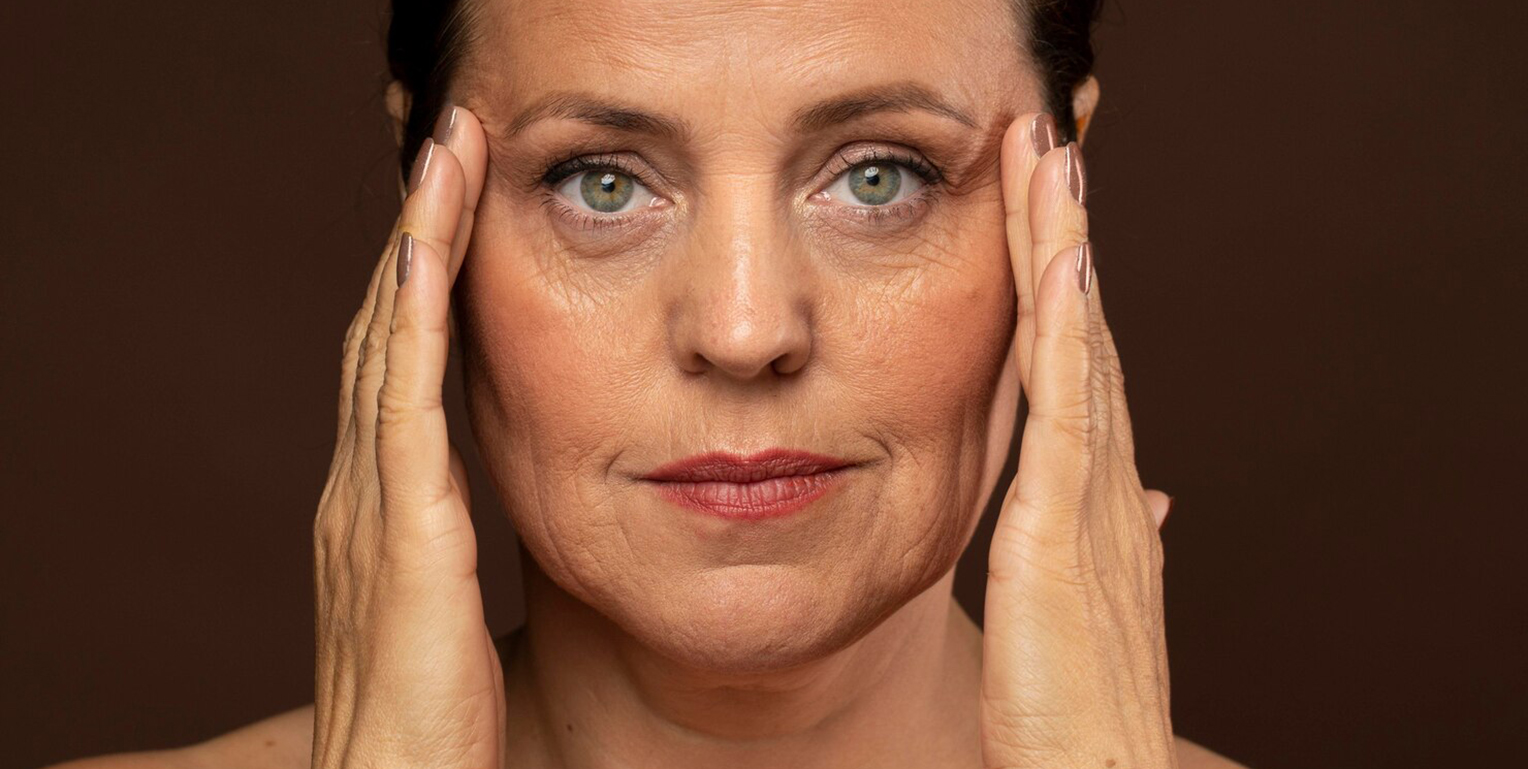
Eyes are known to be the “windows to the soul”. Unfortunately, they are also one of the first areas to show signs of ageing which are not easy to hide, and they make you look fatigued and older than you should. Many people tend to make assumptions about a person’s age or the mood they’re in, based on the appearance of their eyes, but many times, these assumptions can be quite erroneous.
Eyelid Surgery, also known as Blepharoplasty, removes excess skin, muscle and sometimes fat from the upper and/or lower eyelids for a more energetic, brighter, and youthful appearance.
Advancing years result in our skin naturally losing some of its elasticity and a weakening of the muscles in our face. This can result in the fat that naturally sits around the eye (to protect and cushion it) protruding through the weak muscle and producing more pronounced eye-bags.
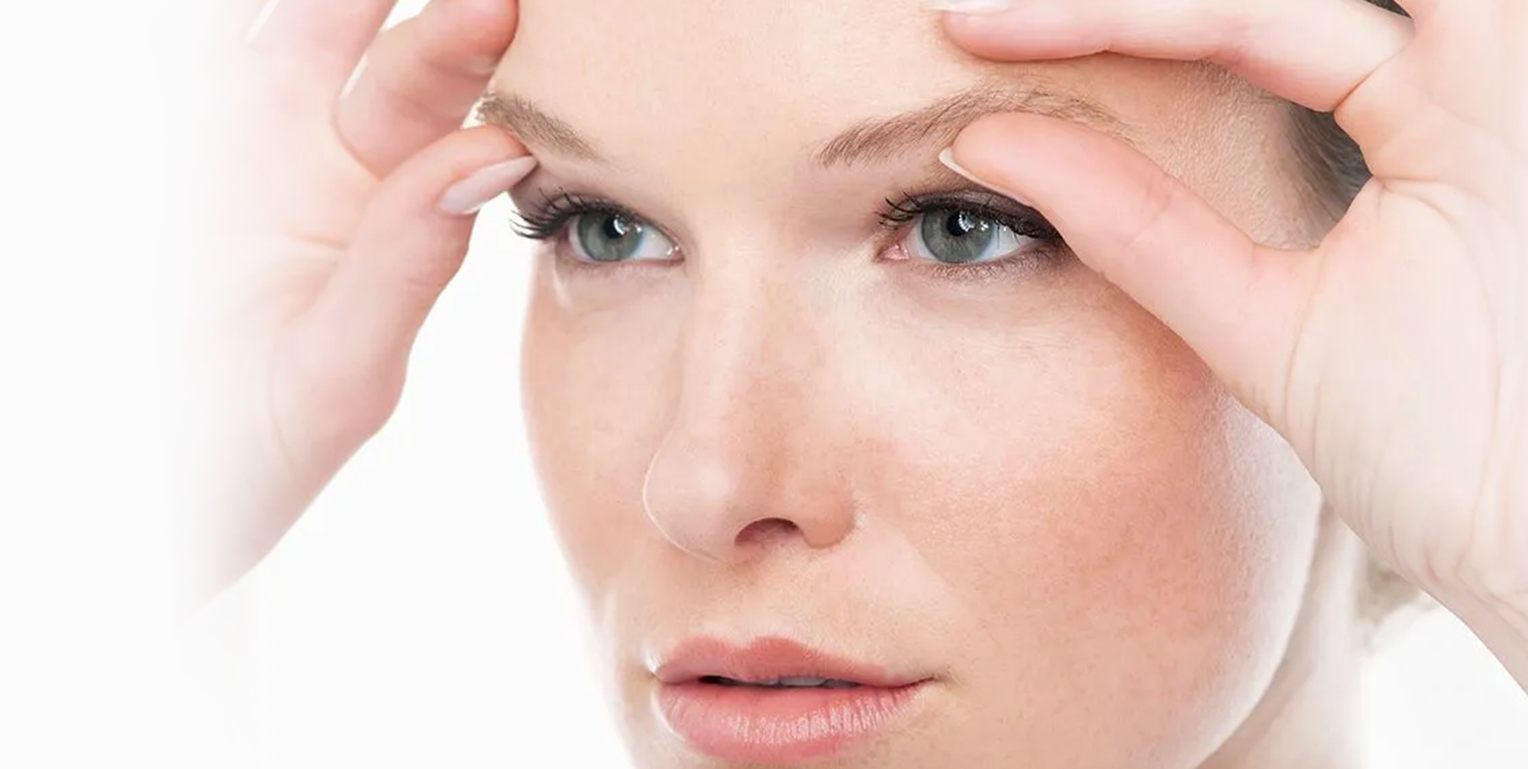
Upper eyelid excess skin and fat can create a heavy looking eyelid, aged appearance, puffiness, and sometimes block vision. Upper blepharoplasty is performed to remove excess skin and fat and can improve vision.
In the lower lid, the effect can be deepening furrows or creases. Lower blepharoplasty is performed to remove excess skin, reduce wrinkles, and improve the shape of the lower eyelid by removing skin and fat. Sometimes tightening the eyelid is needed to correct droopiness or sagging. Adding fat or dermal fillers is done to improve a “hollowed” appearance.
Double eyelid surgery (sometimes termed Asian eyelid surgery) is performed to create an upper eyelid crease.
There are non-surgical options for treating sagging and puffy eyelids depending on the extent of the condition. These options are mainly for individuals who are not yet ready or do not have the indications for surgery. Injectable fillers may be used to reduce the hollow appearance or dark circles beneath the lower eyelids, while Muscle relaxing injections can improve the appearance of the upper eyelids by creating a lift to the eyebrows. However, it should be noted that these treatments are not permanent and do not remove excess skin, but they may improve the look of subtle changes of the eye lids.
It is important to understand that Eyelid surgery will not change the basic structure of one’s eyes and it is not a reconstructive procedure. It won’t correct sagging eyebrows, asymmetry, or crow’s feet wrinkles. To achieve one’s aesthetic goals, sometimes, it is necessary to combine the eyelid surgery with a browlift, facelift or non-surgical procedures. Your suitability for treatment, whether it being surgical or non-surgical can only be determined following a through consultation and assessment.
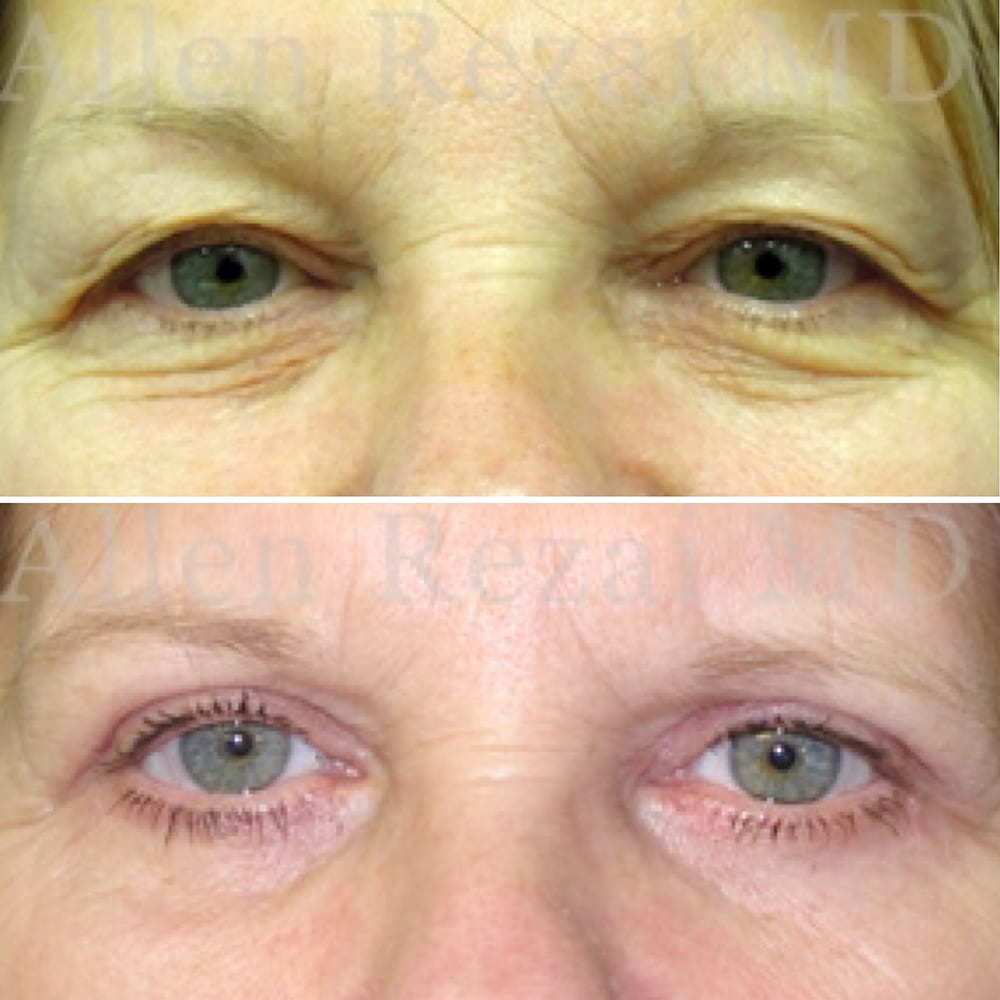
To view before and after photos, please refer to the gallery page: Blepheroplasty/Eyelid Surgery Before & After
Indications for eyelid surgery are droopy or baggy eyelids, excess hooded skin, weak, loose muscle, and bulgy fat pockets. These are usually caused by ageing but sometimes may be hereditary and appear prematurely.
The indications for Blepharoplasty include:
The above symptoms may result in both cosmetic and functional concerns, which can be addressed with Blepharoplasty or Eyelid Surgery.
Cosmetic eyelid surgery refers to the procedure, when it is not medically necessary and is performed solely to improve the aesthetic appearance of the eyes. Whereas a functional eyelid surgery, refers to the procedure, when it is performed for medical reasons. In most cases, a functional eyelid surgery is performed to remove loose skin from the upper eyelid if it droops low enough to impair one’s vision for driving or other visual activities.
Other problems addressed with functional eyelid surgery are:
Functional Eyelid Surgery is normally covered by insurance whereas Cosmetic Eyelid Surgery is not.
Prior to making a decision about surgery, it is important to determine the underlying issues causing the concerns you have with your eyes. Sometimes it may be due to a medical condition or it might not even be your eyelids causing the problem, thus requiring another type of treatment.
For example, the sagging of eyebrows can sometimes be the root of droopy upper lids, rather than the lids themselves and this should be addressed with a lateral brow lift and not an eyelid surgery.
A thorough consultation and assessment is necessary to determine your suitability for surgery and to also discuss all the implications of the procedure including the possible risks and complications.
[/dt_sc_toggle][dt_sc_toggle title=”What to consider at this stage”]
Before you see Mr Rezai, it is important to consider exactly what you are trying to achieve from your surgery. In particular, you should understand that the surgeon will only be removing the skin and/or fat from the area around the eyes – the blepharoplasty operation does not affect wrinkles, creases and folds that are distant and distinct from the eye socket itself.
[/dt_sc_toggle][dt_sc_toggle title=”Blepharoplasty – surgical technique & procedure”]
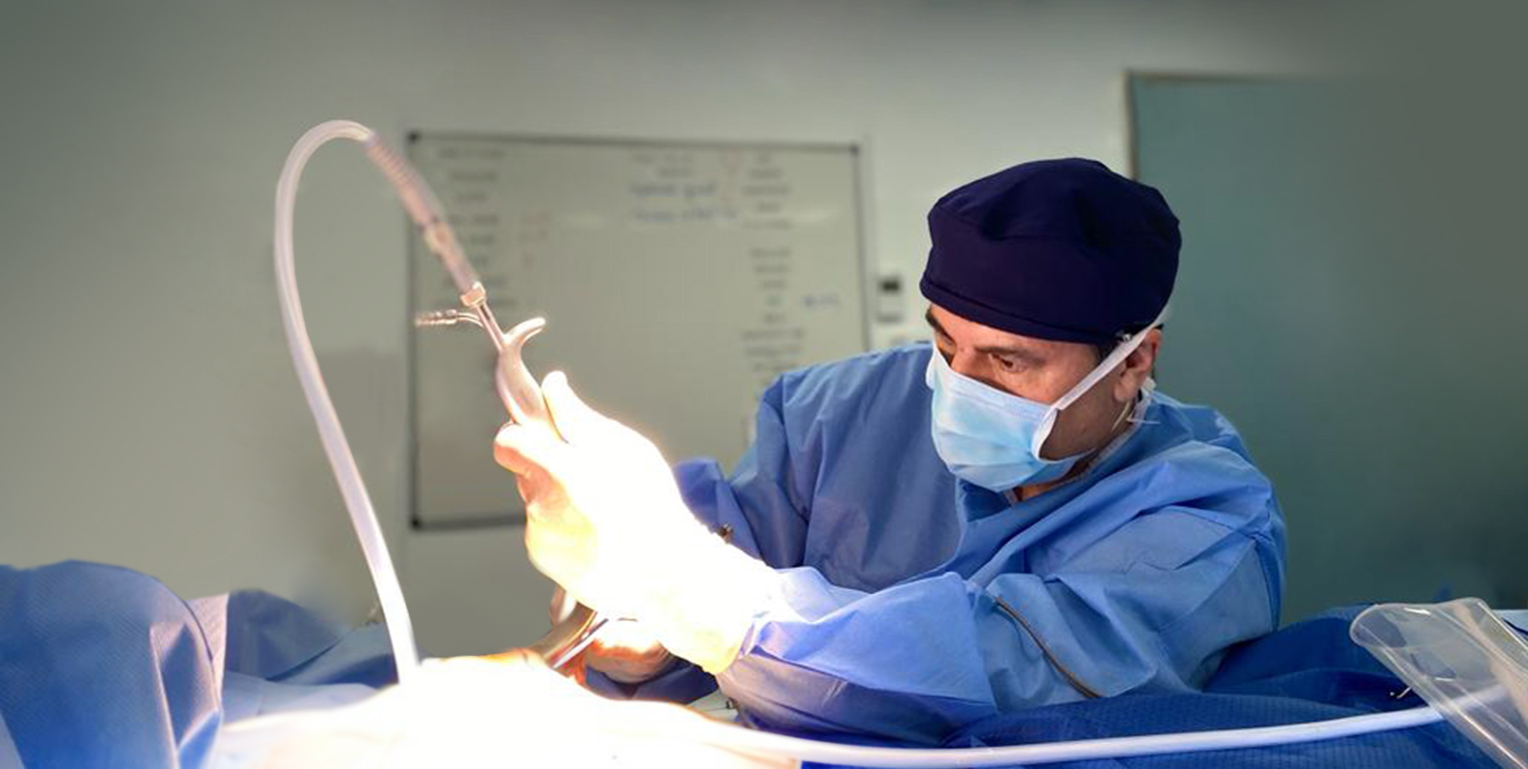
Advances in eyelid surgery has allowed patients to have the surgery with little to no visible scars at all. By making incisions in the natural creases of the upper and lower eyelids, surgeons are able to keep most scars from being visible to others. Depending on the severity of the condition of the eyes, different techniques are used in Eyelid surgery.
In the upper eyelids, excess skin and fat can create a heavy looking eyelid, aged appearance, puffiness, and sometimes it can even block one’s vision. An upper eyelid surgery uses incisions on the skin to allow for removal of excess skin and fat and sometimes tightening of the eyelid to correct droopiness or sagging. A thin suture is then used to bring the skin together allowing for the creation of an eyelid crease.
Lower eyelid surgery can involve skin incisions directly below the lash line or an incision on the inside of the lower eyelid, known as a transconjunctival approach. The transconjunctival technique is usually performed on patients with small bags under their eyes (i.e. no excess skin). The fat can be removed through an incision in the interior of the lower lid, while keeping the patient from having any visible scar.
There are a number of anatomic differences between Asian and Caucasian eyelids. In the Asian upper eyelids, the skin and subcutaneous fat tend to be thicker with an overhanging upper eyelid skin pushing down on the eyelashes. The goal with an Asian Blepharoplasty is to create a crease in the upper eyelid. It is often used to create a more Caucasian look in the patient.
[/dt_sc_toggle][dt_sc_toggle title=”Blepharoplasty – the procedure”]
[/dt_sc_toggle][dt_sc_toggle title=”Following the operation”]
Immediately after Blepharoplasty, patients may experience, discomfort, mild pain, swelling, bruising, and possibly vision changes. As a result of both swelling and skin excision, closing of the eyes might feel a little tight for a while. This generally settles down as the swelling subsides. The pain and blurriness usually subside within a few days and depending on the extent of surgery, most patients return to work and normal activity within couple of weeks. Any sutures are removed after three to five days. To begin with, the scars will appear pink. However, as with all scars, they will fade over a period of time. In many patients, they are virtually invisible. However, it’s important to remember that no surgical scar ever totally disappears.
Mr Rezai and his team will provide you with detailed post-surgery instructions to expedite your recovery. Should you develop any doubts or concerns following your treatment, however, they would encourage you to contact them straight away.
[/dt_sc_toggle][dt_sc_toggle title=”Risks & complications”]
Cosmetic surgery is amongst the very safest of surgical procedures. However, all patients must understand that no surgical procedure is absolutely free from risk. Mr Rezai will discuss these with you at your consultation. For further information please refer to Risks and Complications of Blepharoplasty.
[/dt_sc_toggle][dt_sc_toggle title=”How long will the results of your blepharoplasty last?”]
For the majority of patients, the result of eyelid surgery is long lasting and many times permanent, however, it will not stop ageing and of course, the younger a patient undergoes surgery, the more likely it is that a further eye surgery may be needed further down the line.
The person’s heredity along with external factors and lifestyle, play a big role in how the person ages. Avoiding sun exposure, reducing stress, limiting one’s smoking and drinking will help to maintain the youthful look of the eyes for longer.
[/dt_sc_toggle][/dt_sc_toggle_group]